
Owners in Corona who are giving up wood usually narrow it to two choices: a set of ceramic logs on a gas burner in the open fireplace, or a sealed insert behind glass. They look similar in a showroom. They behave very differently in a living room, and they ask different things of the chimney. Here is the comparison we walk through at a visit, one option at a time.
Gas logs: the fire you watch
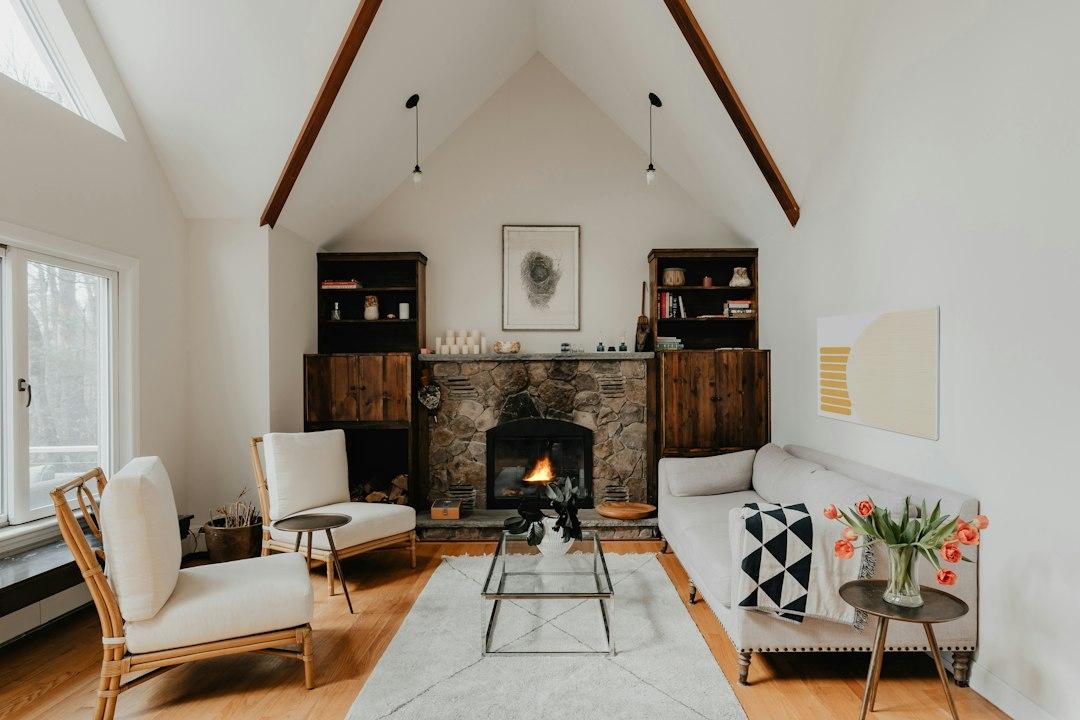
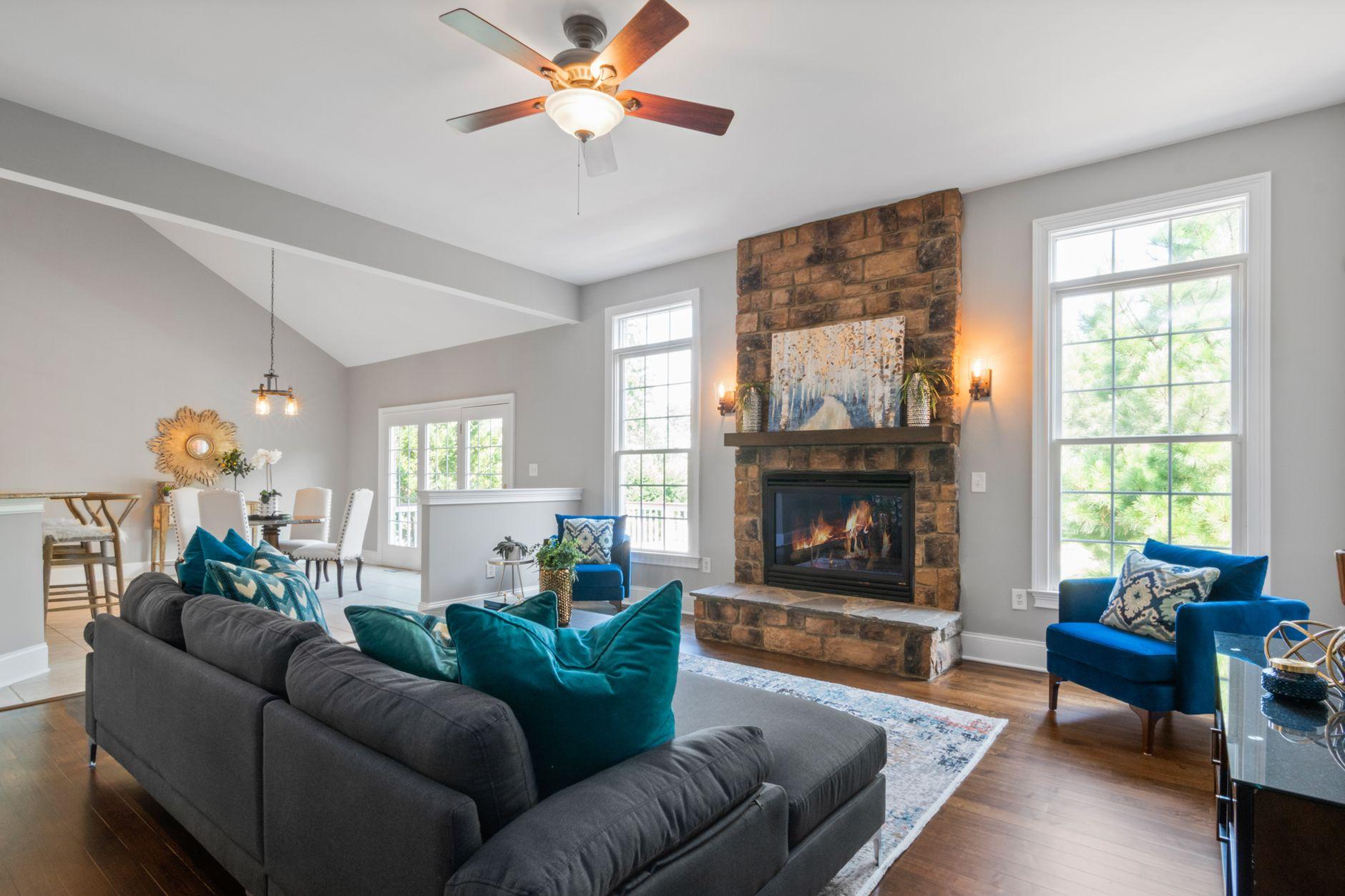
A log set swaps the old grate for a burner tray dressed with ceramic logs. The fireplace stays open. You get a real flame, no ash and no splitting wood.
What logs do well:
- Keep the look of an open hearth, including the brick face you may like
- Cost less to buy and fit than an insert
- Go in quickly when a gas line is already at the hearth
Where they fall short:
- Heat. With the front open and the damper open, most of the warmth rides up the chimney. Logs are for ambiance.
- Drafts. The damper has to stay open, or be blocked open, on most sets, so the chimney keeps pulling room air when the fire is off.
Logs suit a family that lights the fire on a few cool evenings for the look of it, and heats the house some other way.
A gas insert: the fire that heats
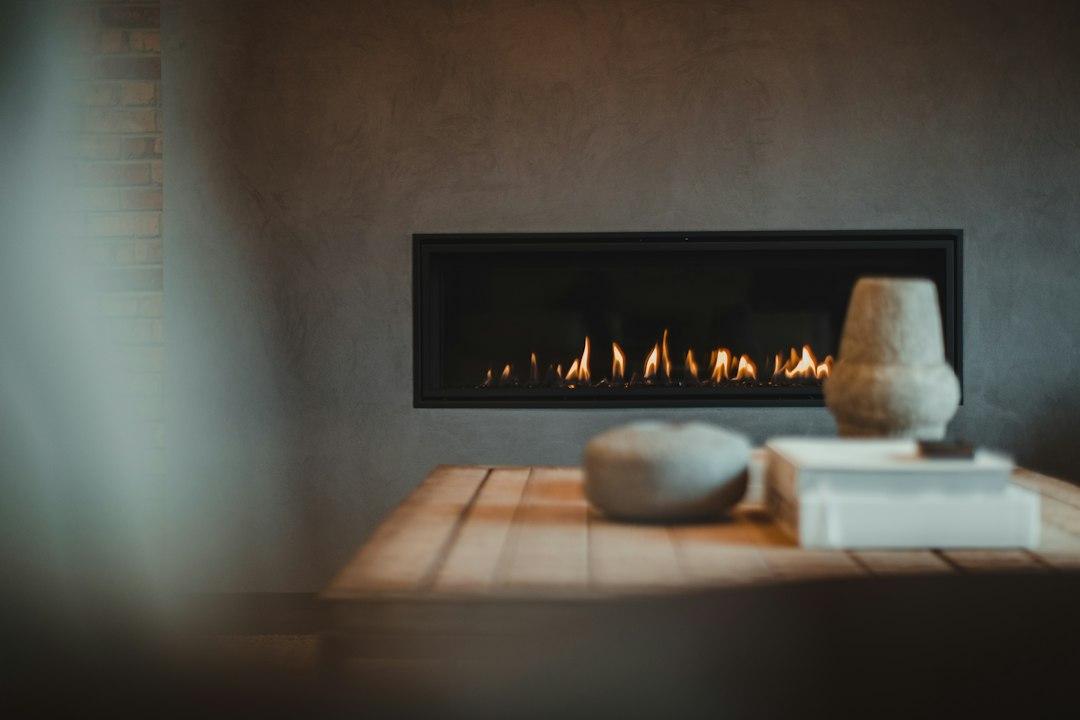
An insert is a closed steel box with a glass front, set into the existing opening. It has its own vent running to the top of the chimney, and it pulls the air it burns through a separate path, so the room air stays put.
What an insert does well:
- Puts real heat into the room, often enough to carry a living area on a cold night
- Seals the opening, so no more cold air spilling down on a winter evening or warm attic air in summer
- Usually runs from a wall switch or remote, many with a thermostat
Where it costs more:
- The price. Our installed range is $2,950 to $5,950.
- The look. You trade the open hearth for a framed glass front and a surround.
An insert suits an owner who wants the fireplace to do a job, not just set a mood.
What each asks of the chimney
This is the part showrooms skip.
For logs, the chimney has to carry the exhaust the way it carried wood smoke. That means a sound flue, a working damper, and a cap that keeps rain and debris out. A cracked clay tile or a damper rusted shut has to be sorted first. Some log sets are made to run without a chimney at all; we are cautious with those indoors and explain why at the visit.
For an insert, the old flue matters less for exhaust, because the insert brings its own vent. But the vent has to reach the top and be sealed there, so the chimney top, the crown and the cap all come into it. If the masonry is coming apart up top, that gets fixed before a new vent goes in.
Either way, on a chimney that has not been looked at for years, a Level 2 inspection at $415 tells you which road is open before you spend on either.
Side by side
| Gas logs | Gas insert | |
|---|---|---|
| Main purpose | Looks | Heat |
| Fireplace front | Stays open | Sealed glass |
| Room drafts with fire off | Continue | Stopped |
| Chimney needs | Sound flue, damper, cap | Room for a vent to the top |
| Our price | Quoted after a visit | $2,950 to $5,950 installed |
What decides it for most houses
At a visit we usually find one of three situations.
1. The flue is sound and the owner wants looks. Logs are the sensible spend. 2. The flue is tired and the owner wants heat. An insert solves both, because its vent replaces the job the old flue was doing. 3. The chimney is in poor shape and the owner wants heat. We may suggest leaving the chimney out of it and fitting a sealed unit elsewhere, which runs $4,750 to $9,550.
Log set prices vary with the burner, the log style and the size of the opening, so we quote them in writing once we have measured. To get both options priced for your fireplace, request a side by side quote and mention how you use the fireplace now and whether a gas key sits near the hearth.
A word on air quality days
Corona falls under the South Coast district's wood burning rule, Rule 445. On forecast bad air days in the cool season it can ban wood fires in homes. Gas logs and inserts are both outside that ban, which is a big reason owners here make the switch at all. If you only burn on holidays and keep getting caught by an alert, either option ends the problem.
The running cost
Neither option is expensive to run, but they differ. A log set burns gas at a fixed rate with much of the heat lost up the flue, so you pay for flame you mostly look at. An insert turns more of the same gas into warmth in the room, and many models let you turn the flame down. If the fireplace will be on for hours on winter evenings, that gap adds up over a few seasons.
Repairs down the line
Both options have parts that wear. Logs need the burner ports kept clear and the logs set in the right places, or they soot up. Inserts have a pilot assembly, a valve and sometimes a fan, and the glass gasket ages. We service both; see gas fireplace repair and fireplace gas logs. For what a repair visit involves, read Booking Gas Fireplace Repair.
Where to go from here
If you want our view on which suits your fireplace, send us a note through the contact page and we will arrange a visit to measure and price both.
Want These Numbers for Your Own House?
Courtney measures the opening, looks up the flue and writes out gas logs, an insert or a sealed unit as separate lines with prices. Visits leave from Corona for Riverside, Orange, Irvine and the other towns on our list.