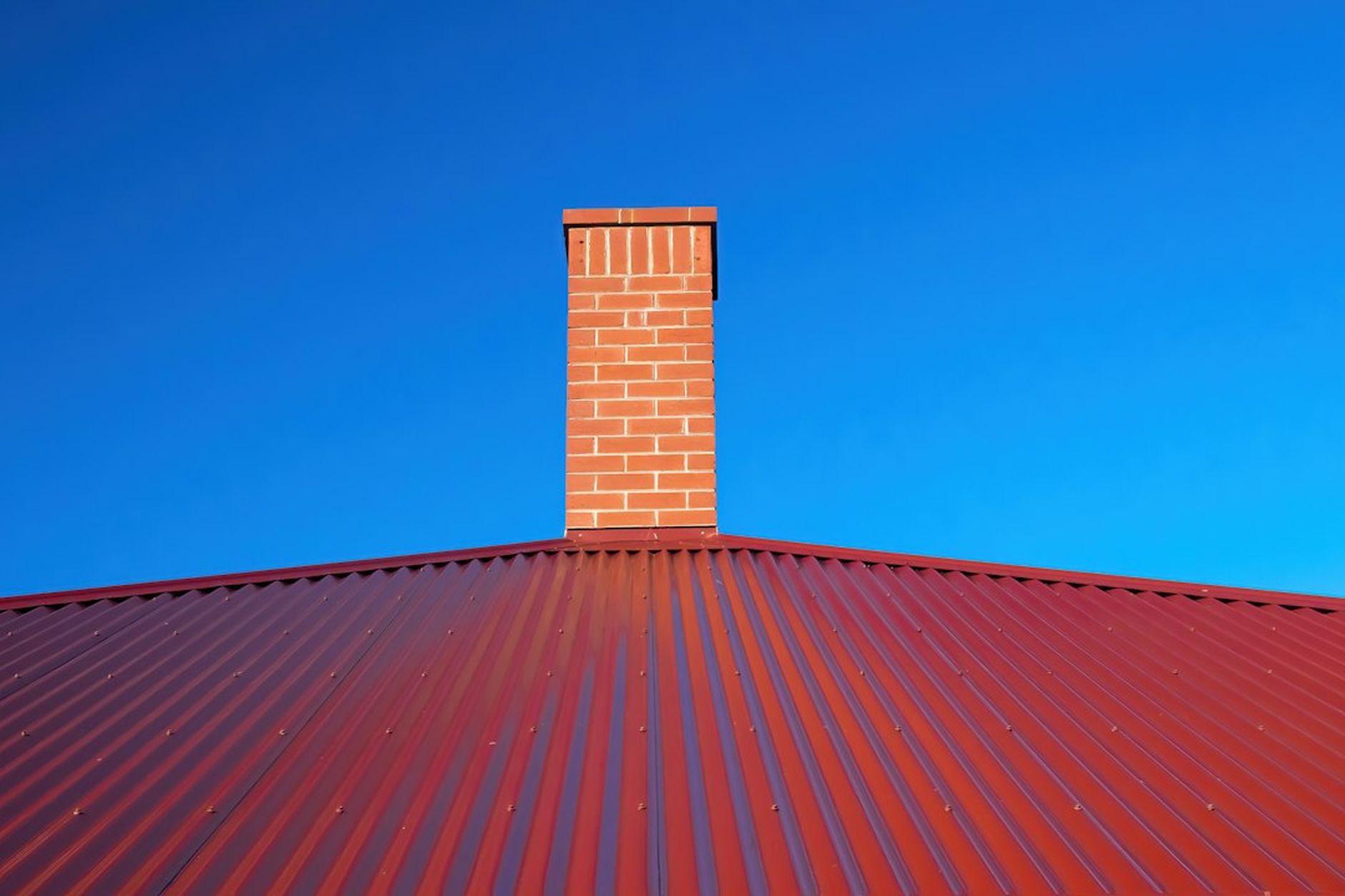
A Corona owner booking a gas insert often asks why we want to inspect a chimney they are about to stop burning wood in. The short answer: the new unit is going to depend on that chimney for years, and the time to learn its condition is before the money is spent. The longer answer follows.
What the standard says about a fuel change
The chimney standard that inspectors and insurers across the country work from is NFPA 211. It describes inspections at three depths. The lightest is a look at what you can reach and see from the room and the roof. The middle one goes inside the flue with a camera and takes in the attic and other spaces the chimney passes through. The deepest involves taking something apart, and is only called for when the other two point to a hidden problem.
The standard ties the middle depth, Level 2, to certain events. A change of fuel, from wood to gas for example, is one of them. So is a change to the appliance connected to the chimney, which is exactly what an insert is. That is not our rule; it is the reason most gas conversion work starts with a camera.
What the camera finds in a wood chimney
A flue that burned wood for decades carries its history inside. On a camera run we commonly see:
- Tar on the flue walls. Even a well swept flue has some. Thick, shiny deposits tell us the old fires ran cool or the flue was oversized.
- Cracked or missing tile. Heat and the shaking of past quakes open joints and split clay tiles. Corona sits in country that has felt several strong ones.
- Gaps at the joints. Mortar between tiles washes out over time.
- Debris at the smoke shelf. Leaves, nesting material and fallen mortar collect where the firebox meets the flue.
- Water damage near the top. A cracked crown or missing cap shows as staining and flaking high up.
None of these necessarily stops a conversion. They change how it is done.
How the findings shape the job
A sound flue may carry a log set as it is, after a sweep.
A cracked or oversized flue usually means the gas appliance gets its own liner from the unit to the top. On an insert that is normal anyway.
A damaged top means crown or cap repair before the vent goes in, or the new liner ends in a chimney that still leaks.
A chimney not worth saving may lead us to recommend a sealed unit vented through the wall, leaving the old chimney out of it.
Each of these leads to a different price, which is why we inspect before quoting the conversion.
The price of the inspection
| Inspection | Price |
|---|---|
| Hearth and roof look, no camera | $58 |
| Camera through the flue, attic included | $415 |
For a fuel change the camera level is the one to book. Should the lighter visit raise a question only video can settle, you hear that from us in writing and choose whether to go further.
When you are ready, book the camera inspection and mention that you are planning a switch to gas, so the inspector checks for a gas line at the hearth and measures the opening while there.
What you get afterward
A written set of findings with photos and stills from the flue video. Each item says what we saw, where, how serious it is and what it means for the gas plan. If you are working with another installer, you can hand them the findings; they are written so anyone can act on them.
Local rules that come up
Wood burning bans. Corona falls under South Coast AQMD Rule 445. In the cool months the district can ban wood fires in homes on forecast bad air days. Gas fireplaces are not part of that ban, which is often what pushes owners here to switch.
City permits. Most cities treat a new gas line, a gas insert and a new liner as permit work. Our permits and code repairs page explains how that usually splits and how sign-off works.
Selling soon? A sale is another moment the standard links to a Level 2. If you are converting before listing, one camera inspection can serve both purposes. See our page for home sale inspections.
Why not skip it
Some owners would rather save the inspection fee and go straight to the install. The risk is in the order. If the installer finds a cracked crown or a blocked smoke shelf once the old fireplace is opened, the job stops, the quote is rewritten and the room sits torn up while the extra work is priced. Paying for the camera first moves that surprise to a day when nothing has been taken apart yet.
What else we check on the same visit
While we are there for a conversion, we also look at the things that decide the finished result:
- The width, height and depth of the opening
- Whether the damper can be removed or locked open
- The distance from the opening to the mantel and trim
- Whether a gas key is at the hearth and how far the nearest line is
- How the chimney top is capped
That way the inspection and the measurement are one trip, not two.
Next
Read Gas Insert Cost in Corona for what the conversion itself runs, or Lining a Chimney for Gas if the camera points to a liner. We work across Corona, Riverside, Orange and Irvine.
The contact page is the place to set up the inspection; tell us the house is heading for gas and we will plan the visit around that.
Want These Numbers for Your Own House?
Courtney measures the opening, looks up the flue and writes out gas logs, an insert or a sealed unit as separate lines with prices. Visits leave from Corona for Riverside, Orange, Irvine and the other towns on our list.